Christmas Roses – a gift for every gardener

There’s a traditional folk story that tells of a young girl who went with the shepherds to the stable at Bethlehem. She didn’t have a gift to give baby Jesus and was so upset that she stood outside the stable, in tears. An angel appeared and changed the tears into white flowers, which the little girl made into a posy for the baby.

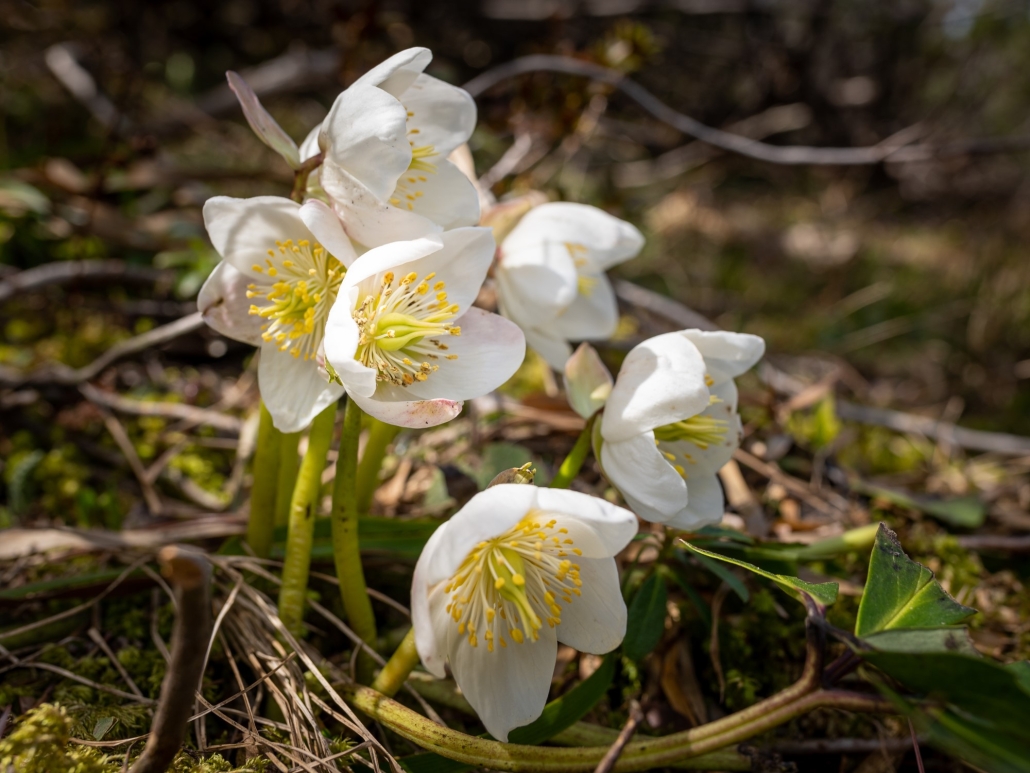
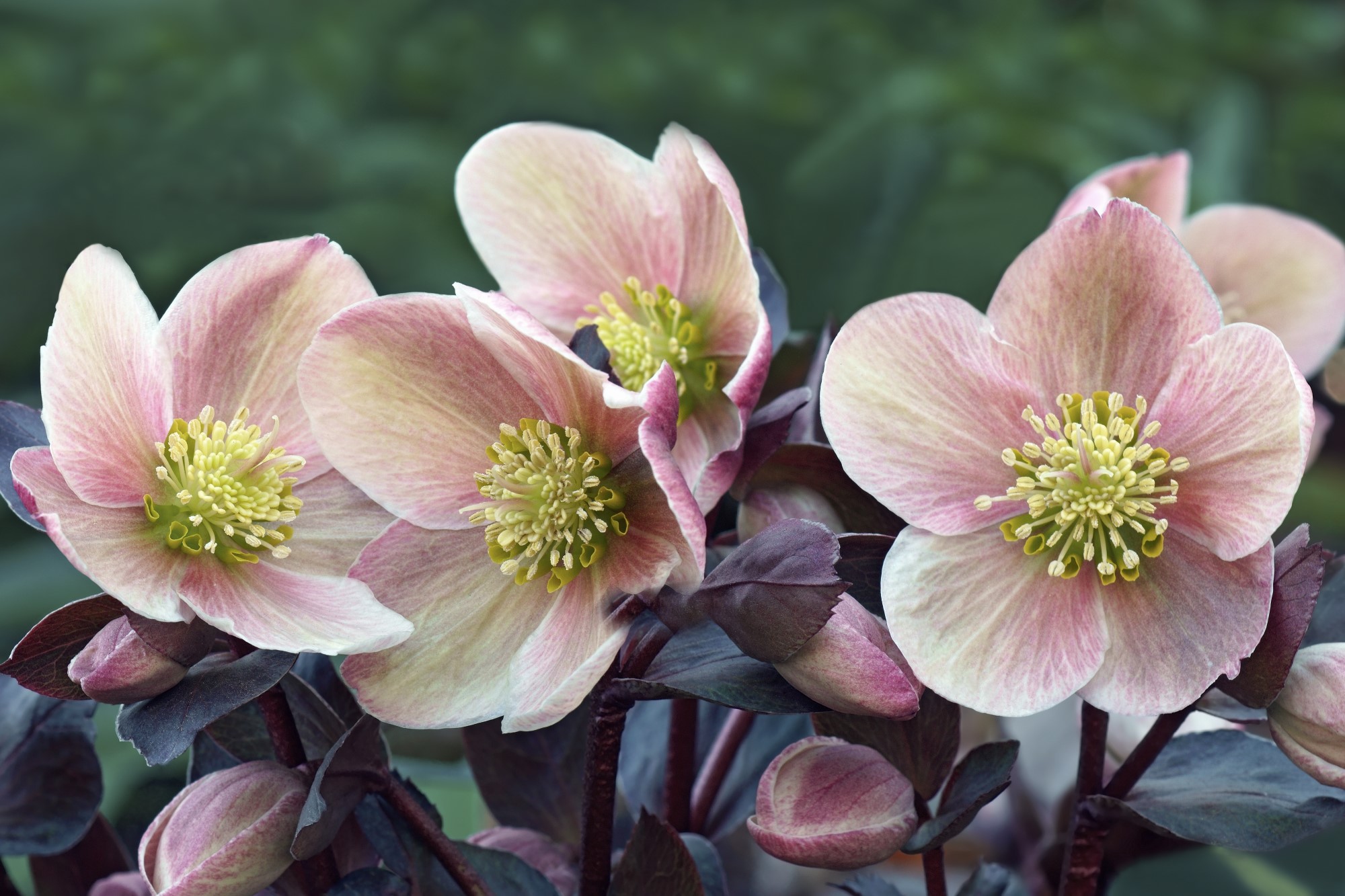
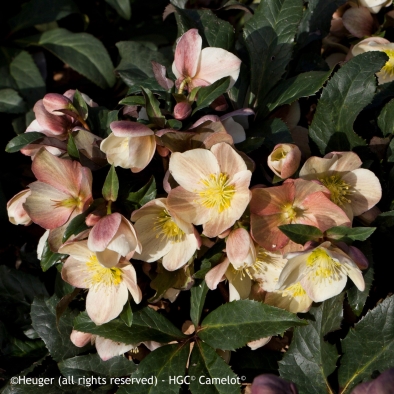
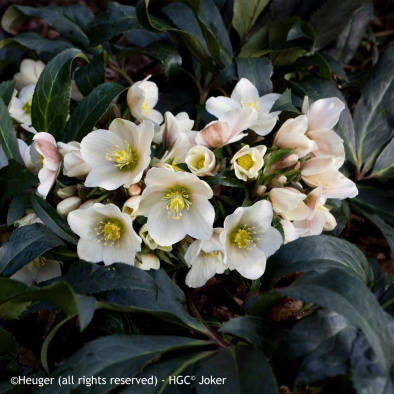
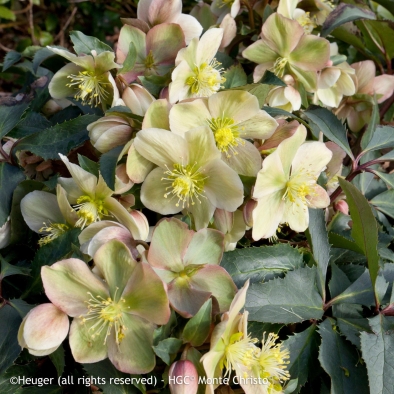
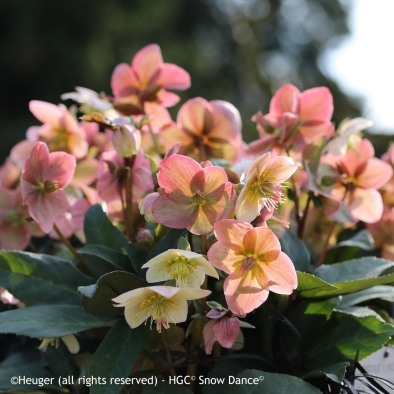
This flower became known as the ‘Christmas Rose’. It’s a species of Hellebore, which are a real gift to gardeners during the winter months, providing pretty whites, creams, pinks and purple colours in the garden when most other flowering plants have finished.
Varieties of Hellebores

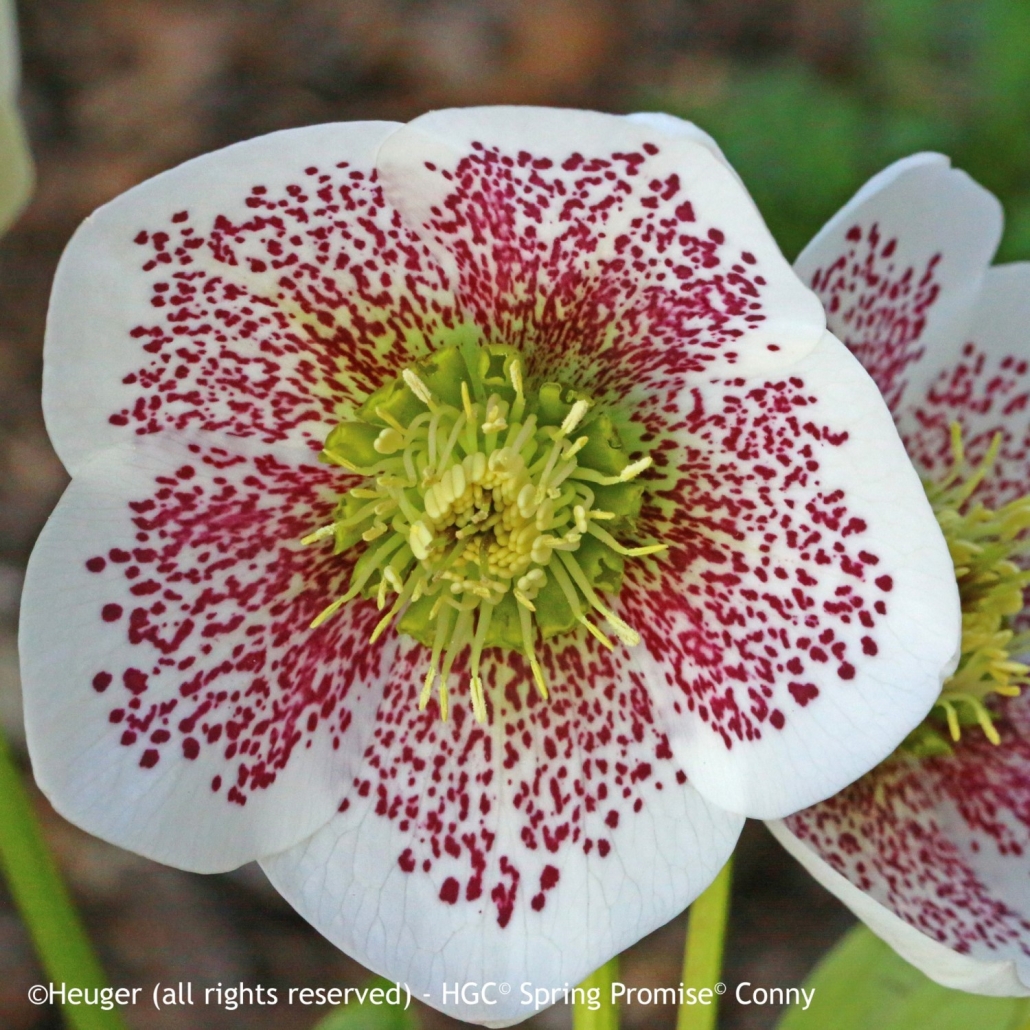
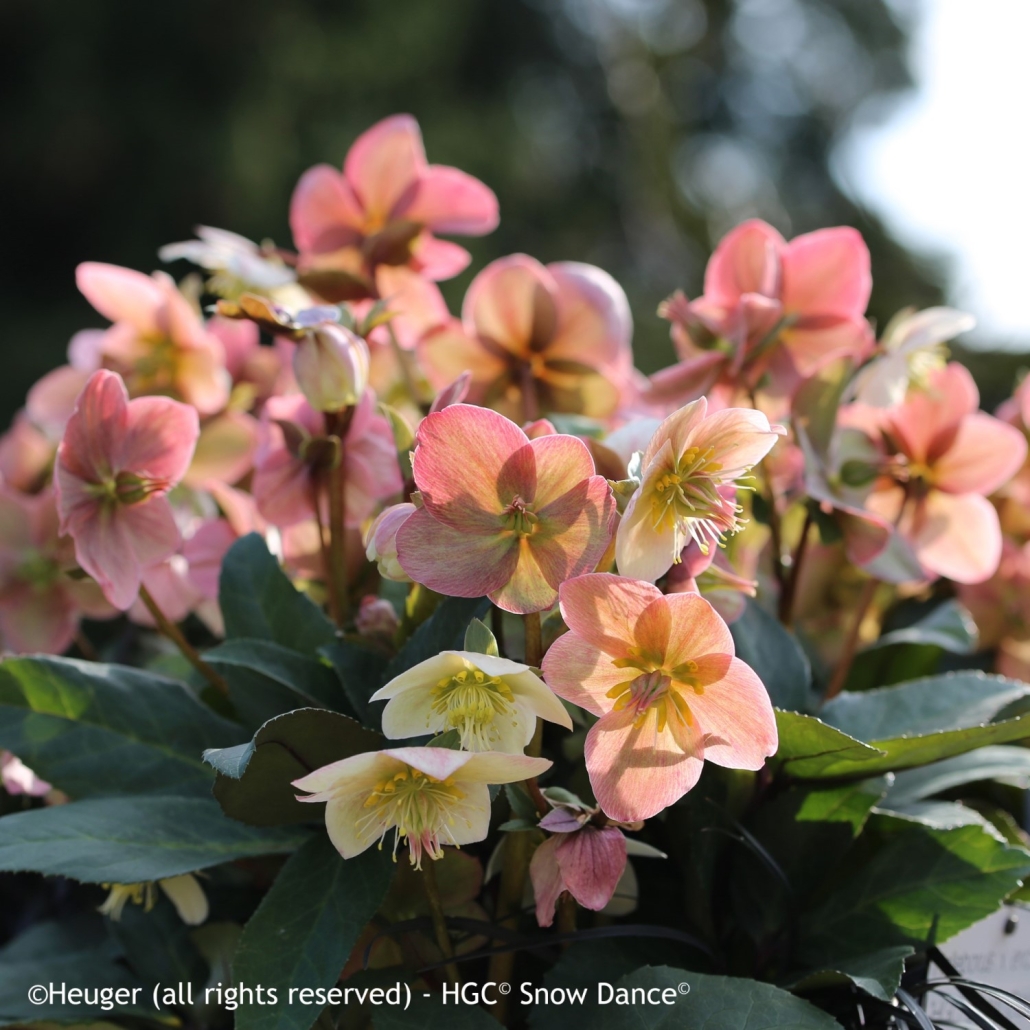
Hellebores originate from Europe where they grow wild in meadows and woods in countries including Greece, Italy and Bosnia. You’re probably familiar with the Christmas Rose (Helleborus niger) and the Lenten Rose (Helleborus orientalis) as they’re a common sight in gardens in the South West.

In fact there are around twenty species of Hellebore and numerous varieties. The delightfully named Stinking Hellebore (Helleborus foetidus), for example, has unusual nodding, lime-green flowers, and as the name suggests produces a rather nasty smell – although only when crushed.

Single-flowered varieties are best for pollinators so choose these rather than double-flowered hellebores to attract bees to your garden and give them a good feast.

Planting tips

As long as the ground isn’t frozen, Hellebores can be planted at any time of year although spring is a good bet. Add some garden compost to give them a good start.

They don’t like being moved so it’s best to plant them where you want them for the long term. Some varieties can grow to quite a size with a potential height of four foot and a three-foot spread, so bear this in mind when choosing a spot to plant them.

They love full sun but are also ideal for trickier planting spots as they do well in north or east-facing positions, and in woodland. Hellebores are not too keen on extremes, so avoid planting them in very wet, or very dry soil.

Companion plants

Companion plants for Hellebores include dainty snowdrops for harmonious grouping, or the fragrant, bright yellow Narcissus Tete-A-Tete to create a stunning contrast.

Sarcococca is another good choice; with its evergreen leaves and tiny white flowers it’s another good winter performer giving colour and scent.

Care of Hellebores

These are easy care plants in general. Mulch in the autumn, water in the drier months and add fertiliser in the spring – and your Hellebores will look after themselves pretty well.

Cut back old leaves in early spring to make sure that the buds are given the best chance and to help prevent any chance of fungal disease, leaf spot. If you do see dark brown spots on leaves and stems, remove affected leaves and stems quickly and destroy them – you can use a fungicide if you want to make certain.

Hellebore ‘black death’, as its name suggests, is more serious and you’ll need to dig up the infected plants and destroy them.

Propagation

Although you can divide them, because they don’t like being moved this could do more harm than good. Try collecting seed and sow yourself. But you may well find that your Hellebores self-seed, creating a whole new display of colours and shapes unique to your garden!

Newsletter

Sign up to receive our latest insights & news.

This is a Development or Staging site for Otter Garden Centres - Dev by Blaze Concepts!