Plant bulbs in Autumn for colour in Spring!

Seasoned gardeners know that in order to enjoy beautiful flowers in the spring, now’s the time to put in the thought. After all, what lifts the heart more after the dark winter months than the first blooms appearing?

One of the easiest ways of ensuring early colour in your garden is to plant spring bulbs. Planted correctly, these can simply be left over winter until they’re ready to make their appearance in the new year.

If you put in a little effort now – you’ll reap the rewards when that first snowdrop pokes its head out of the ground.

When to plant spring bulbs

Check the recommended time for planting – some bulbs, including hyacinths and crocuses, should ideally be planted out before the end of September, alliums by the end of October, whilst tulips shouldn’t be planted until November.

If you can’t find the time for planting in the autumn months, it’s worth remembering that you can still plant bulbs right into December, so long as there’s no risk of frost,

Planting for naturalisation

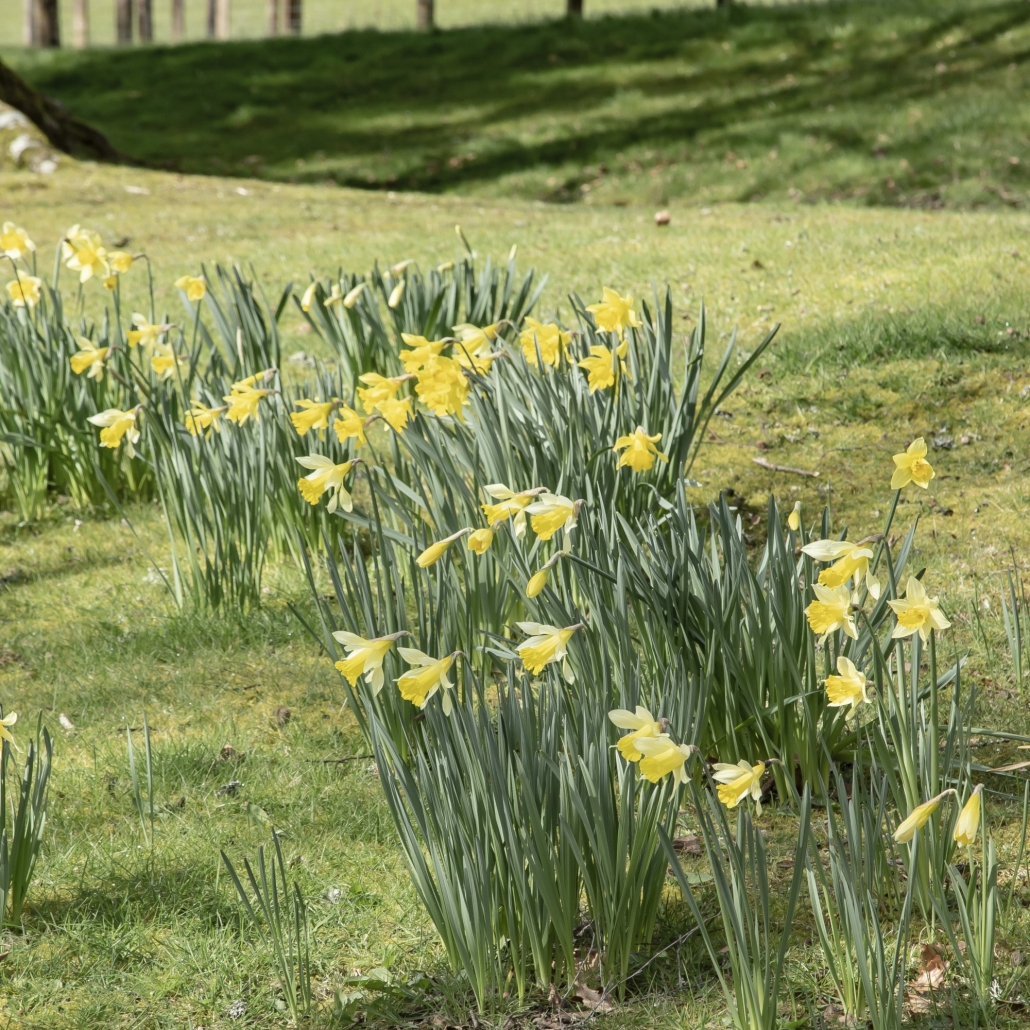
If you’re lucky enough to have a large garden you may want to consider planting bulbs to create a lovely informal display. The pleasure of seeing snow drops, daffodils and crocuses popping up in open grass can’t be underestimated.

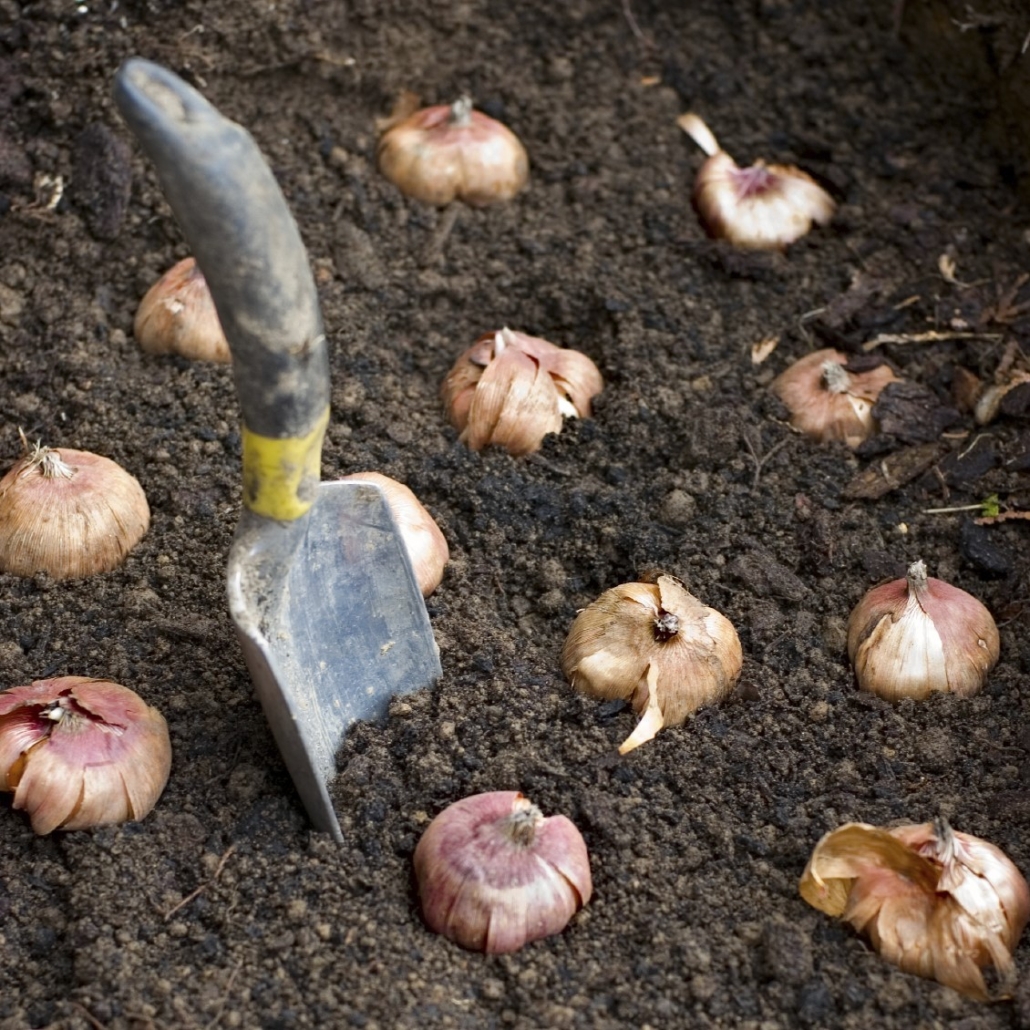
Rather than plant the bulbs in rows, scatter them across the lawn and dig a hole for them where they land, making sure there’s plenty of space between the bulbs. A bulb planter comes in handy here, as you pull out a plug of lawn, pop in the bulb and replace the plug – it’s a good idea to loosen the soil first to ensure the bulb is covered all round. The hole should be around three times the length of the bulb.

You can also plant bulbs you’d like to naturalise under trees, hedges and in less formal parts of your garden. Many gardeners happily naturalise spring bulbs in their borders too!

Small garden – no problem!

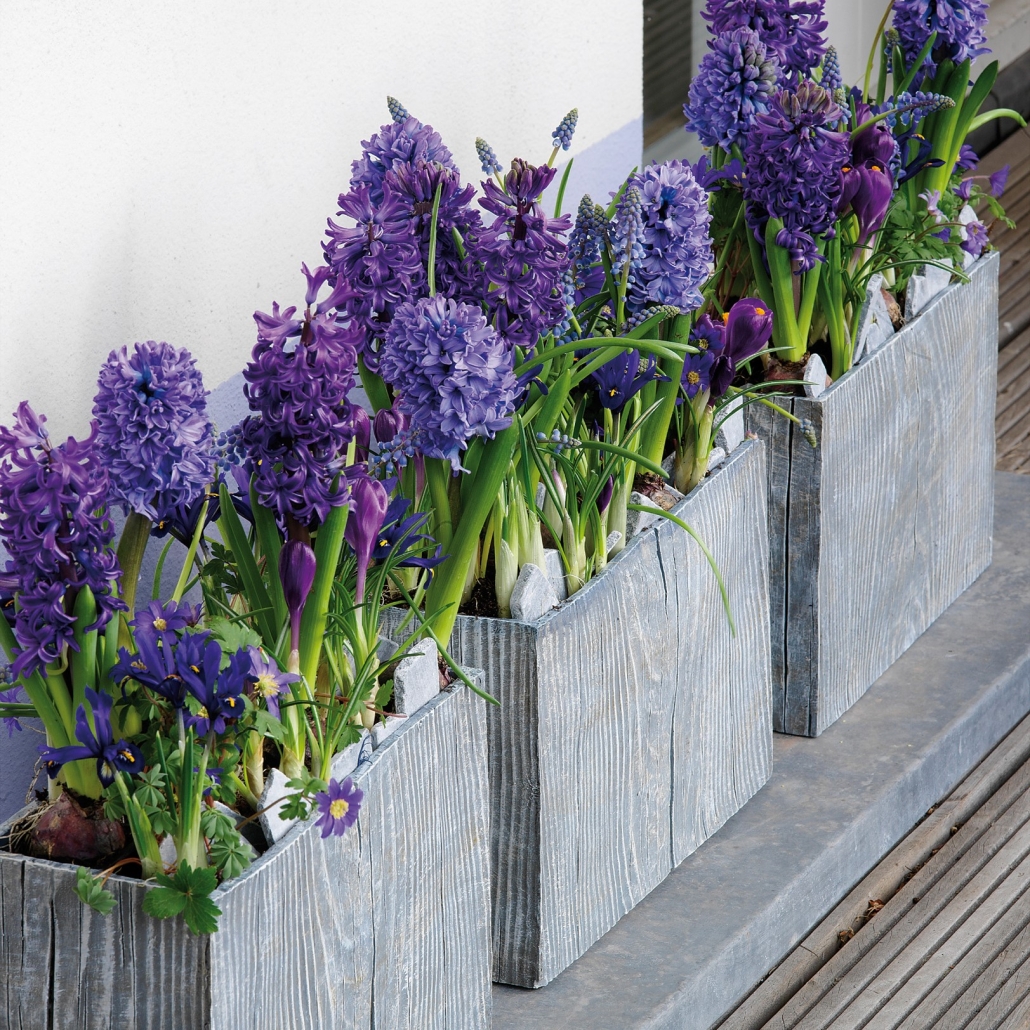
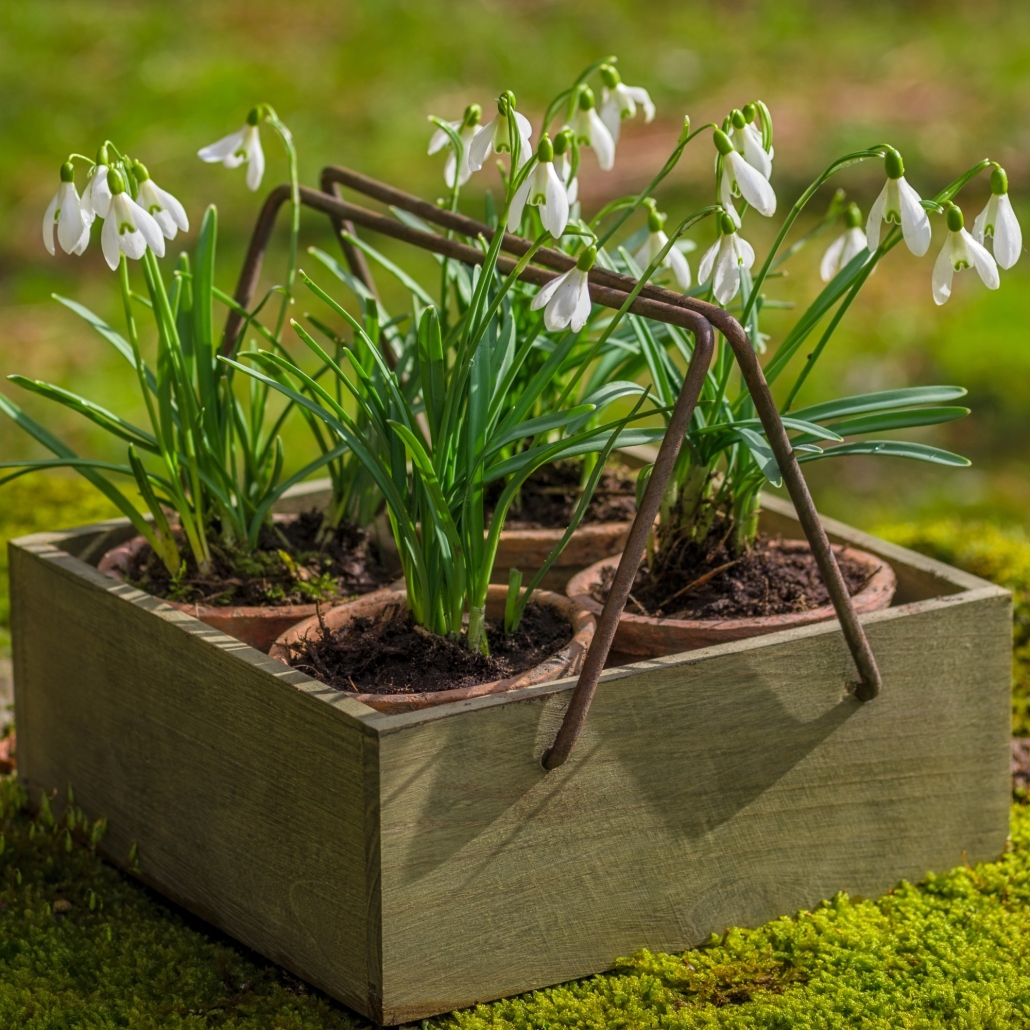
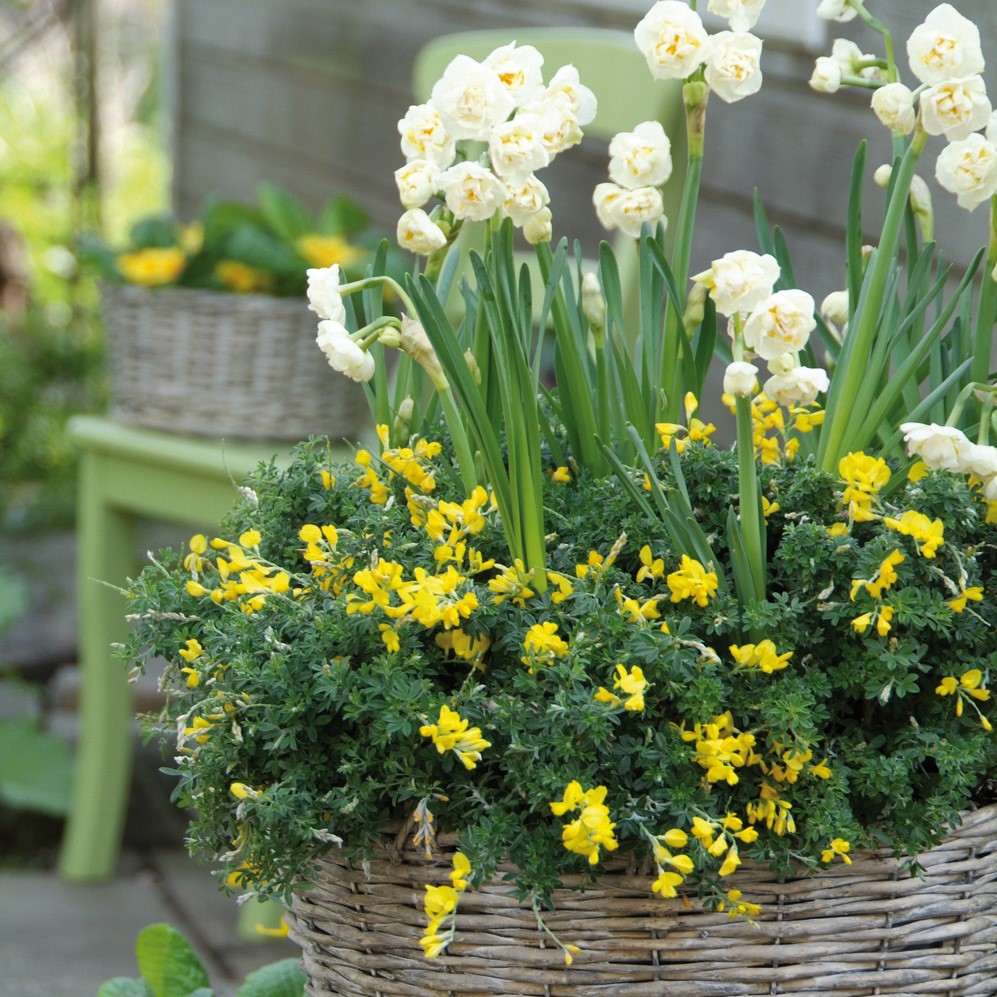
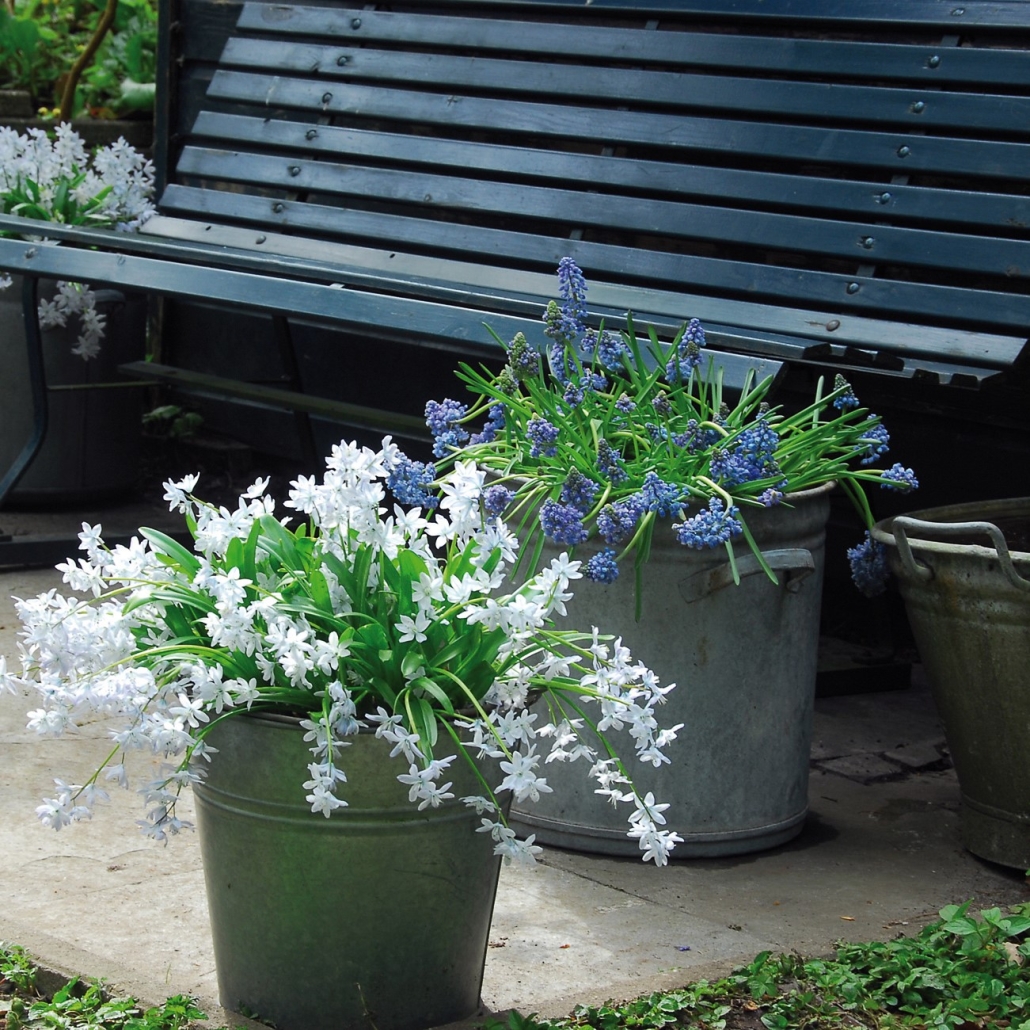
No matter how small your garden is, there’s always room for spring bulbs. Even if you don’t have flower beds or much of a lawn, they can be planted in all sorts of containers from terracotta pots to decorative planters and stone troughs. Choose the right size of bulb for the containers as it’s better for bulbs not to be overcrowded. For a small pot you might plant snowdrops and muscari, if you have a larger pot that will be ideal for daffodils and tulips.

When using containers for bulbs, choose the right compost, ideally a specific compost for bulbs. While there are many different types to choose from, you might prefer an environmentally friendly peat-free compost. Water well after planting.

Don’t forget that spring flowering bulbs need feeding – a liquid tomato feed is perfect and will help promote flowering again the following year.

Container planting for colour right through spring

You may have come across the phrase ‘lasagne planting’. All this means is that you plant layers of bulbs which come up at different times, giving colour for a longer period than if you just plant one layer.

It’s easy to do, just plant the bulbs that will come up last at the bottom, and layer up earlier flowering bulbs in layers above. For example, you might plant tulips on the lowest layer, followed by daffodils and lastly crocuses. Generally lasagne planting is three layers.

For hints and tips on lasagne planting, check out our video guide below!

Get the kids involved!

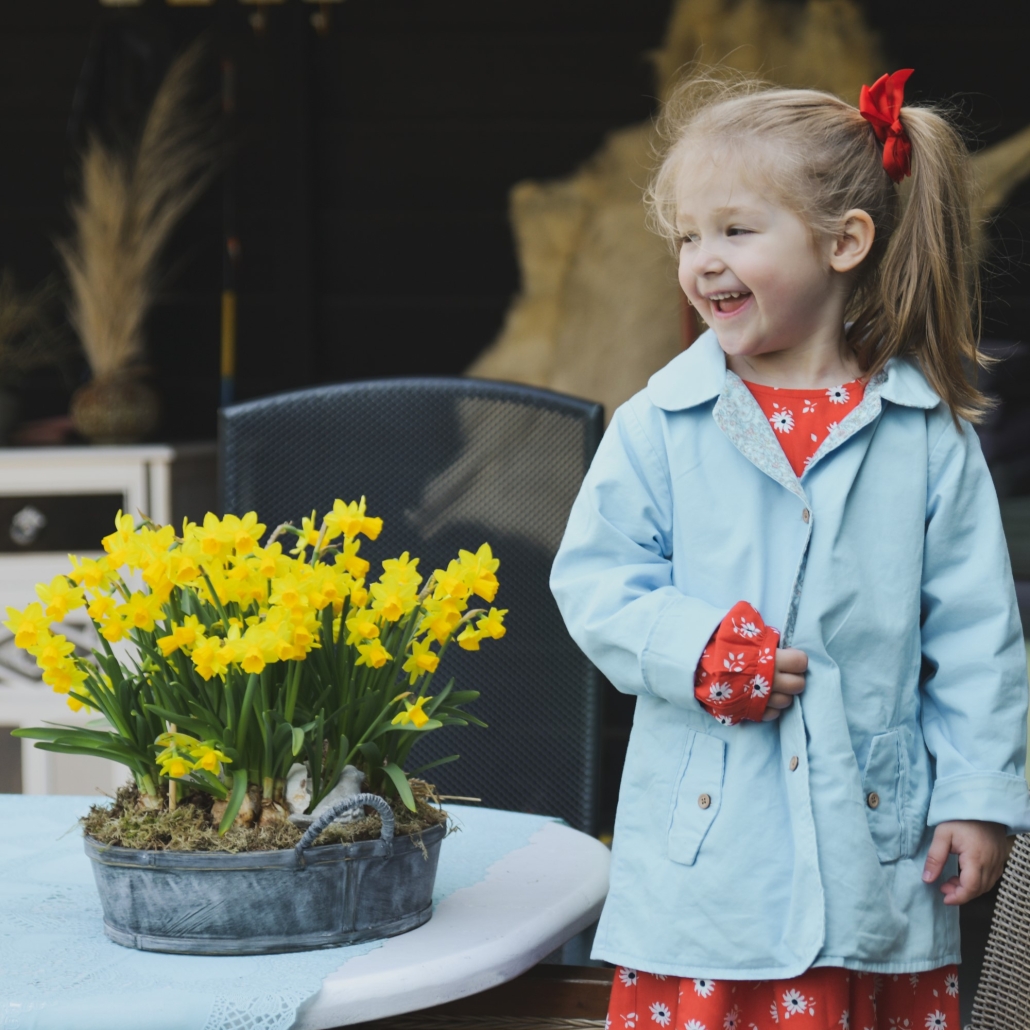
Planting bulbs can be a great thing to do with your children or grandchildren, especially if you give them their very own gardening tools to make them feel an important part of the activity.

Make it a fun activity! On a dry autumn day, wrap up warm and make a plan for where you are going to plant the bulbs. You could even allocate a special area in your garden just for them or their own container to plant up, so they can see the result of their hard work in the spring.

Size really does matter!

There are several ways to buy spring bulbs – individually, in packs or nets. Whichever you choose, one top tip is to invest in bigger bulbs. These will give you the best blooms and are likely to come up year after year.

When you’re choosing individual bulbs you really can check the quality of the bulb and pick out the ones that are a good size, plum and feel firm to the touch (please note: we recommend wearing gloves when handling loose bulbs.)

Pre-pack are a great way to add spring bulbs to a new garden or freshen up the displays in an established garden. Some of our pre-packs make bulb planting easier than ever – they include a pre-planted ‘mat’ with the bulbs in situ ready to be placed in the pot of your choice. The mat is biodegradable so will disappear, leaving your bulbs in position to give a fantastic spring display.

Often you’ll find daffodils available in nets – these are ideal if you are looking to naturalise your lawn as it’s a cost effective way of buying lots of bulbs. You can also buy tulips and hyacinths in nets. While you may worry about the quality you’ll get with these large quantities of bulbs, Otter nets are actually packed with bigger bulbs!

Sit back – and wait!

There’s really little else you need to do once you’ve planted your spring bulbs. Some people recommend keeping containers planted with bulbs in a sheltered spot over winter, but they will enjoy any winter sun, so it’s down to personal preference.

The one day you’ll see those first shoots, and soon after the first flowers. A sign that spring is on its way!

Related News

Newsletter

Sign up to receive our latest insights & news.

This is a Development or Staging site for Otter Garden Centres - Dev by Blaze Concepts!